


Editorial Policy
This guide exists for one reader: a student, parent or teacher, anywhere in the world, trying to work out whether Oxford University is for them, what it costs, and how to apply without missing a deadline. This page explains how we write, who the content is for, and the standards every page has to meet before it goes live. If you ever wonder why a page here looks the way it does, the answer is on this page.
Who we write for
Everyone. Our readers apply to Oxford University from the UK, the US, India, Pakistan, the UAE, Nigeria, China, Europe and everywhere else Oxford University's 175 student nationalities come from. That is why Home and Overseas fees always appear side by side, why English-language requirements and international qualifications are core content rather than an afterthought, and why we price in pounds, the currency Oxford University actually bills in, with conversion context for readers abroad.
We also write for the people around the applicant. Parents comparing real costs, teachers advising a whole class, and first-generation applicants with nobody at home who has done this before all read the same pages. So we explain Oxford words the first time they appear, DPhil means the research doctorate, a college is where you live and eat, not where most teaching happens, and we never assume the reader already knows how UCAS works.
How we write
- Human first. Every page is written to sound like a knowledgeable person explaining things plainly, short paragraphs, easy words, a real answer in the first lines, never a wall of brochure language.
- Answer first, detail second. Key questions get a direct 40-70-word answer up front, then the evidence, nuance and caveats below it. A reader in a hurry gets the fact; a reader with time gets the full picture.
- One topic, one home. Each subject, fees, tests, a course, a college, is covered in depth on one page only, so our own pages never compete with or contradict each other. Other pages link to that home instead of repeating the numbers in a slightly different form.
- Numbers carry their year. Fees, deadlines and rates are always published with the entry year they belong to. A 2025-26 fee is never presented as a 2026-27 fee, and a ranking is always named with its edition, QS 2027 is not THE 2027.
- We say what we don't know. Where a figure varies by course or cycle, we publish the honest range or explain the gap instead of inventing a precise number. If Oxford has not published a figure at all, the page says that, in plain words.
- Real questions, real headings. Sections are headed with the questions students actually ask, in the words they actually use, so a page can be skimmed in seconds and still answer the question it promised to answer.
What we publish, and what we do not
We publish guides: course guides for undergraduate and graduate study, scholarship guides, college guides, and the admissions, fees and student-life guidance that ties them together. Every guide is written for this site, from official sources, under the process in our Fact-Checking Policy.
We do not publish paid placements, sponsored rankings or advertorials, and nobody can pay to appear in a guide or to move up one. We do not publish content copied from other sites, content written to fill space rather than answer a question, or personal data about individual students or applicants. And we never publish a statistic we cannot trace, however often it is repeated elsewhere. The widely copied "17.5% acceptance rate" is the standing example: Oxford's own report puts the 2025 offer rate at 16.7%, and that is the figure our pages use, with its year and method attached.
How a guide page is built
Each deep guide follows the same reader-first shape, so you always know where to look: a quick answer box with the bare facts, the detail in clear sections, a fees and deadlines summary where money or dates matter, and a short set of frequently asked questions at the end, answered in a line or two each. Sources are named on the page or one click away on our Official Sources page. If a guide does not answer the question its title promises, that is a defect, and we want to hear about it.
Accuracy and corrections
University information changes every cycle, Oxford University replaced most of its admissions tests for 2027 entry, and fee bands move yearly. We re-check time-sensitive pages against official sources each admissions cycle, date-stamp them, and correct errors openly. When a reader reports an error and we verify it, we fix the page and, where the change is material, note the correction. Reports from readers go to the top of the queue: tell us via the Contact page, and include the page address and the official page you checked, so we can verify and fix it fast. Our full verification workflow is described in our Fact-Checking Policy.
Independence and advertising
We are an independent guide, not part of the University of Oxford, and no one at Oxford approves, sponsors or pays for our content. The site is funded by display advertising (including Google AdSense and Adsterra). Advertising never buys coverage: advertisers cannot pay to change a fee figure, a ranking position or a recommendation, and adverts are served by the networks in their own slots, separate from our text. Sponsored content, if ever published, would be labelled as such, in the headline area, not in small print. See our Disclaimer.
Images and media
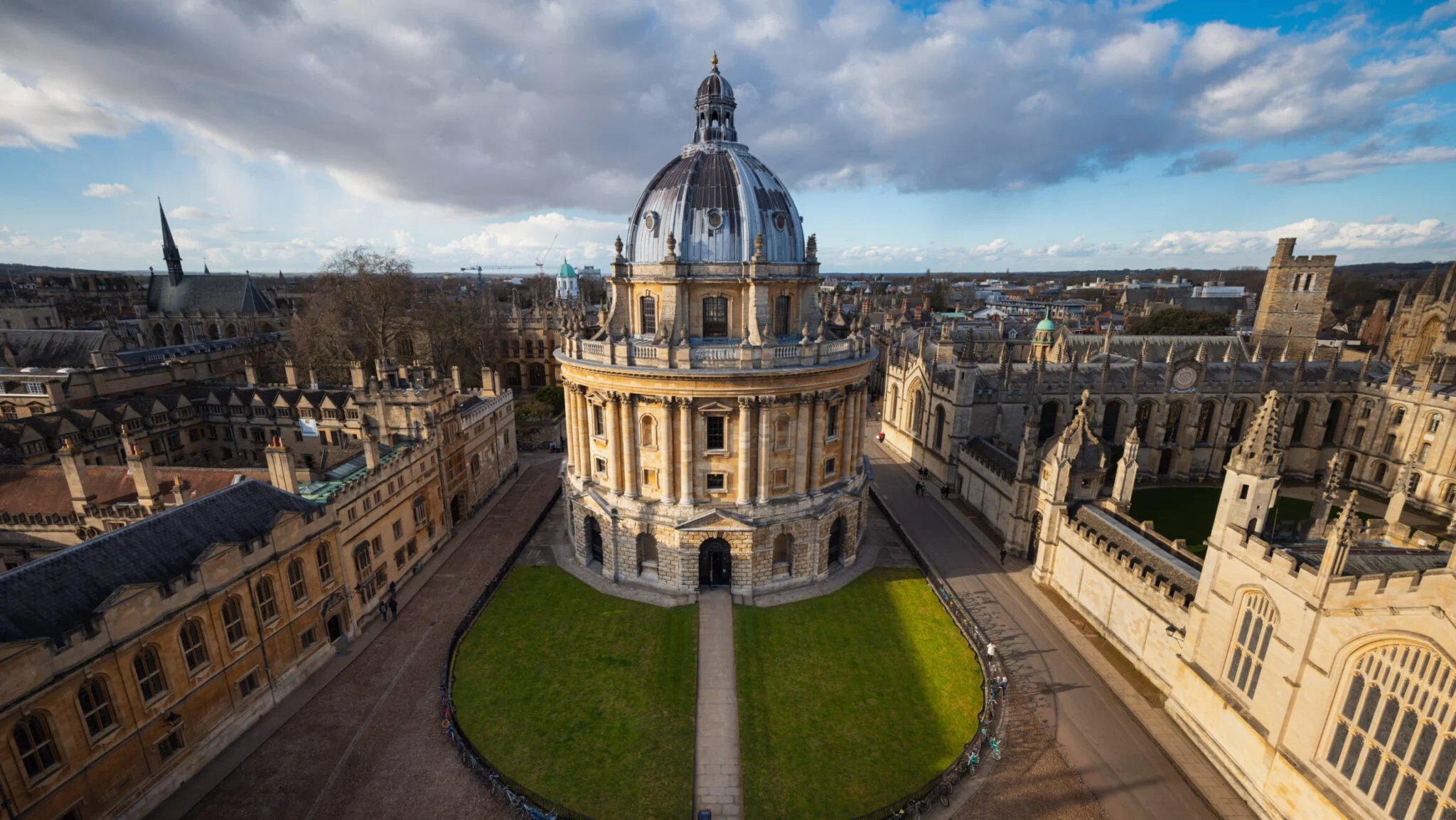
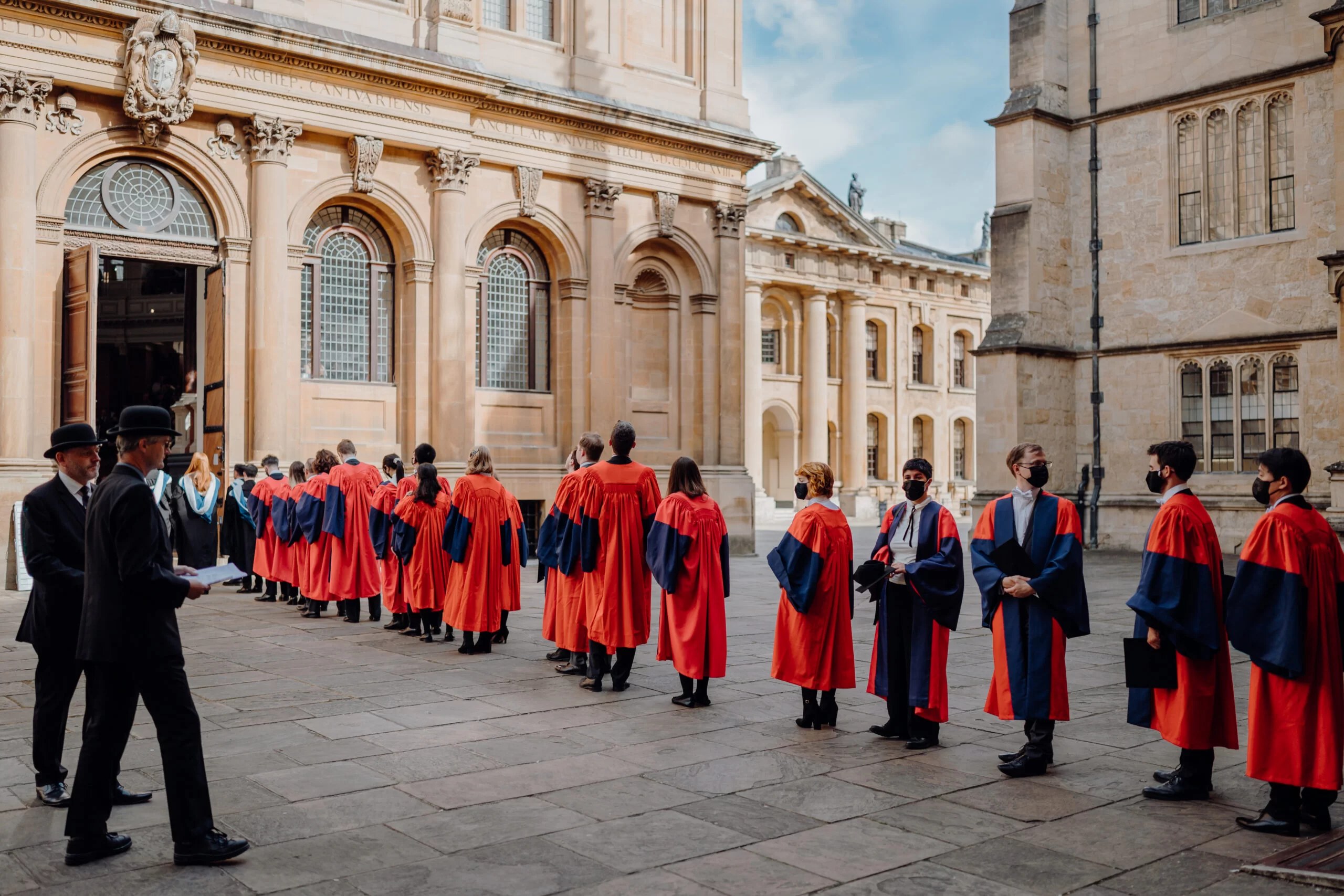
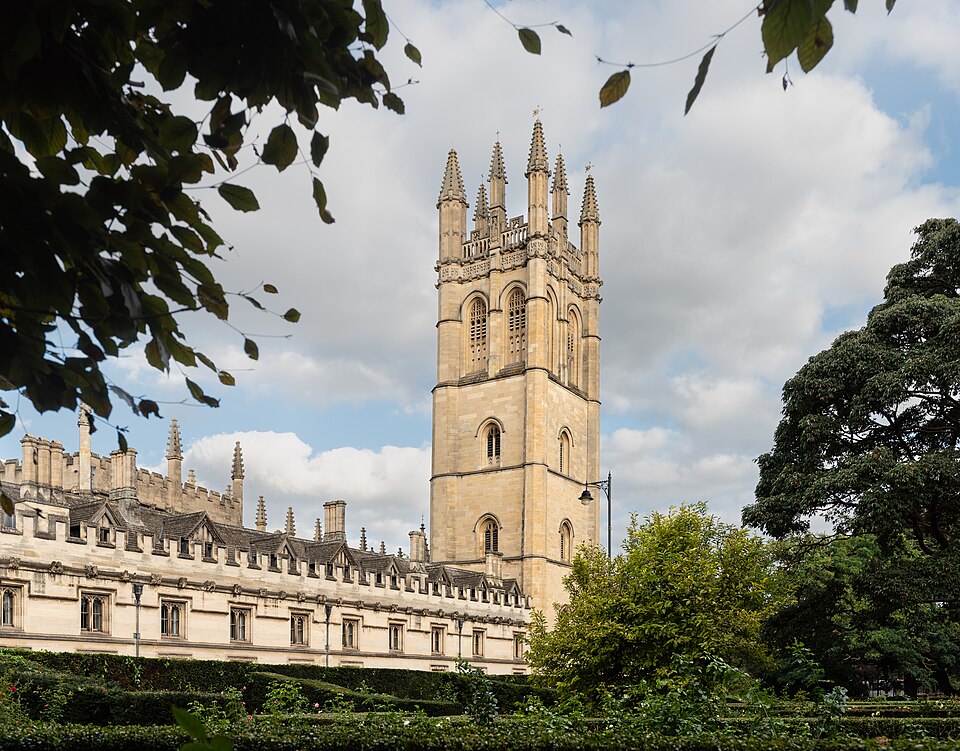
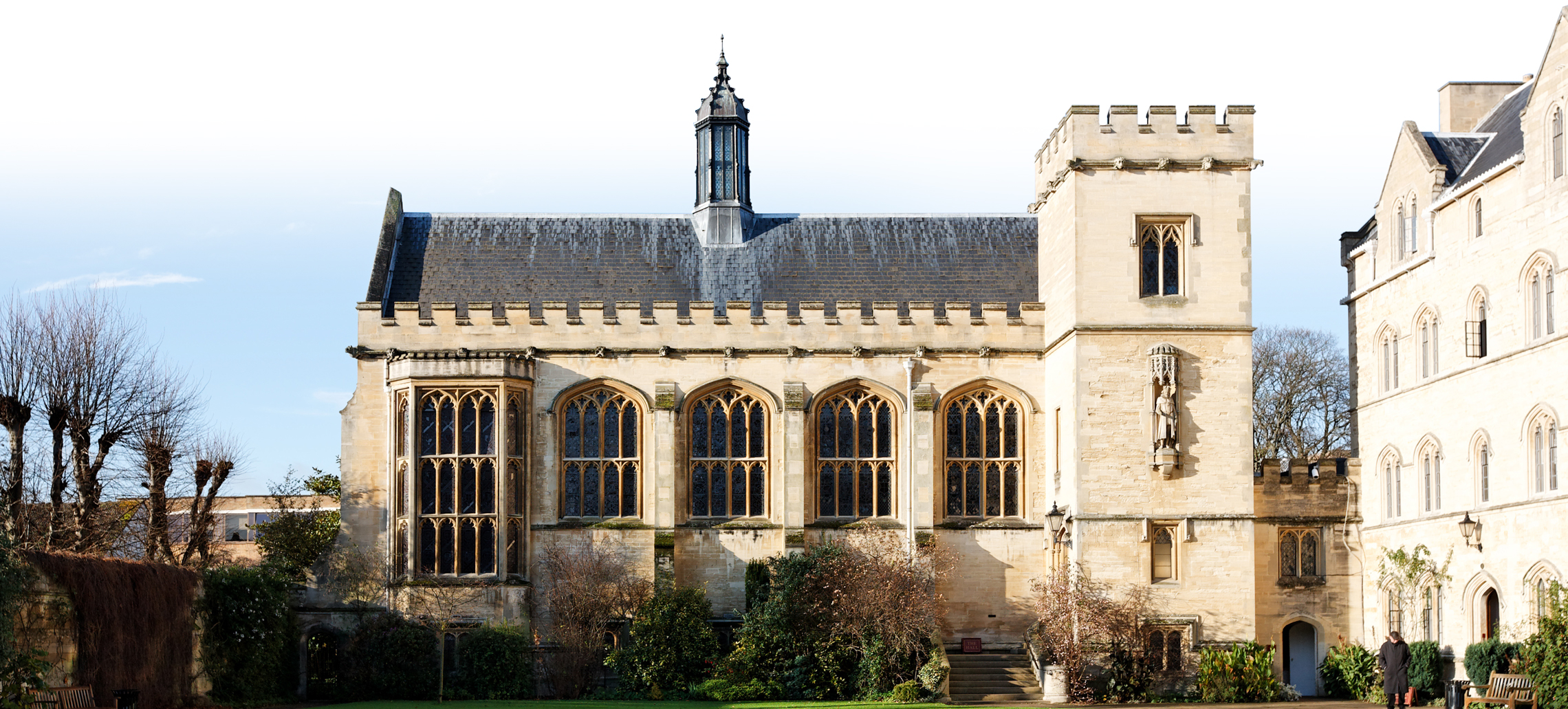
Photographs and images on this site illustrate the subject, a college, a library, a street in Oxford. Where an image is illustrative rather than a documentary photograph of the exact building, treat it as atmosphere, not evidence: the facts on the page never rest on a picture. Institutional names and crests belong to their owners and are used descriptively. If an image on this site is yours and you want it credited differently or removed, our DMCA policy explains the fast route.
Authorship and review
Content is written and published under the name of our author, Omer Akbar, and passes the review process described on our Meet Our Reviewer page before publication. We do not publish anonymous, scraped or bulk-generated content. Every page has a named, contactable person standing behind it, and that person's name is on the site, not hidden in a footer credit.
Questions about this policy
If anything here is unclear, or you think a page has fallen short of these standards, write to us through the Contact page. Editorial standards only mean something if readers can hold us to them, so we would rather hear about a shortfall than never know.